
About Us
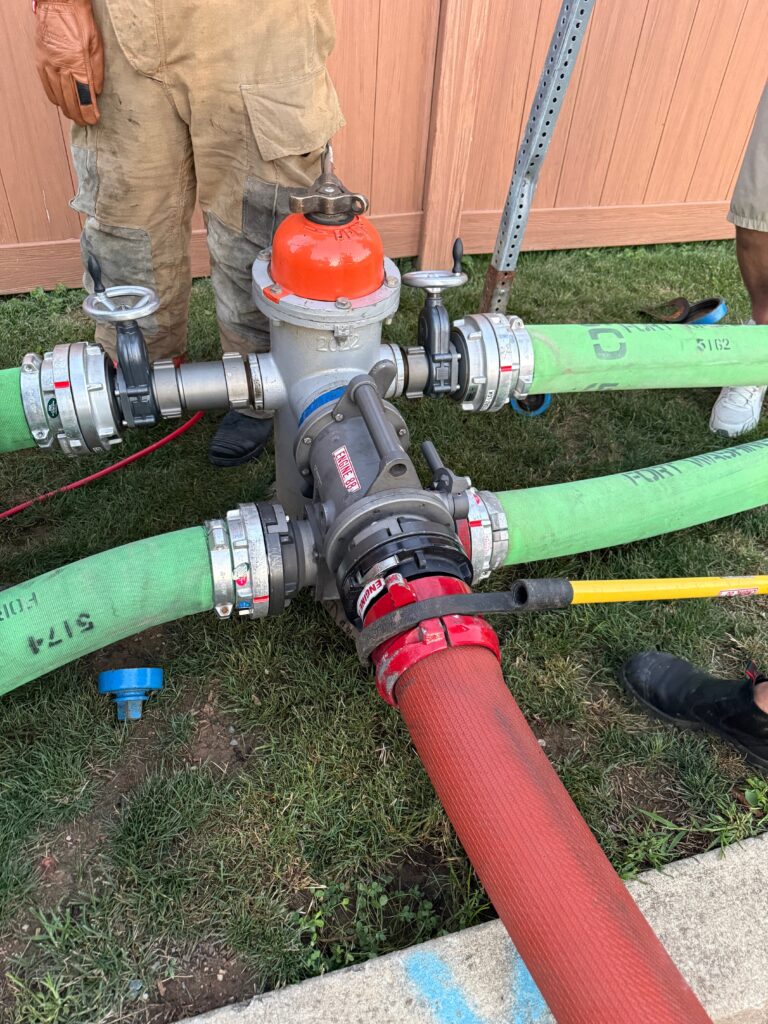
Fifty Years of Getting Water Where It Needs to Go
Humat’s story starts with a simple fireground problem three fire service veterans set out to solve — and continues today under new ownership, carrying that same standard forward.
See the full specifications, dimensions, and coupling options behind the valve departments have relied on for fifty years, then let us know if you’d like a formal quote or bid specification language for your next purchase.
Our story
How it started
50 Years
Of Staying Focused
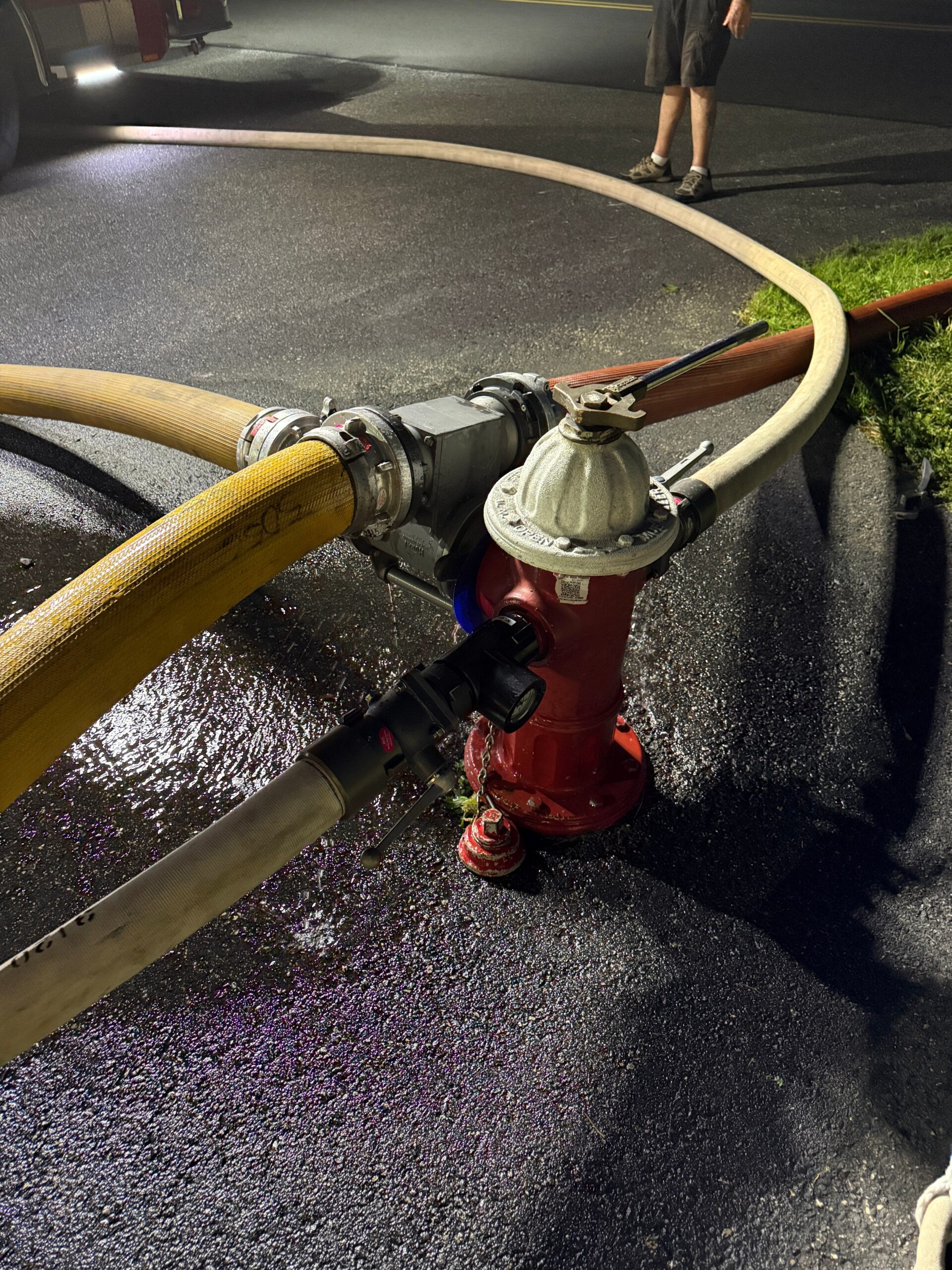
Under new ownership, same standard
Today, Humat operates under new ownership. The people running the company have changed, but the mission hasn’t: manufacture the best water-handling equipment available, keep it serviceable for the long haul, and give every customer — from a volunteer department to a refinery brigade — the same level of care the original three founders built the company on.
Our Mission
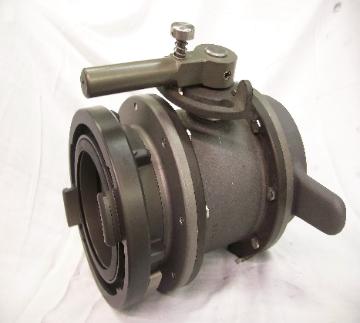
To manufacture the best water-handling equipment available, to adapt that equipment as the needs of the fire service change, and to give every customer — from a small volunteer company to a refinery fire brigade — the same level of service.
In practice, that means the valve itself rarely changes, but what surrounds it does: coupling types, thread standards, and mounting hardware are all built to be reconfigured as a department’s hose, apparatus, or hydrant system evolves — without asking that department to buy a new valve.
That same mission is why Humat has expanded its focus beyond municipal departments over the years to include refinery and industrial fire brigades and airport rescue and firefighting teams. The underlying need — moving the maximum amount of water, safely and predictably, with equipment that survives its environment — doesn’t change from a residential hydrant to a runway, and neither does our approach to building for it.
What Sets Us Apart
A proven core design
The same fundamental valve that's been in service since 1975, refined rather than reinvented, so departments aren't gambling on something new.
Modular by Design
Couplings and threads are bolted on separately from the valve body, so departments aren't locked into one hose or thread configuration for the life of the valve.
Maintained at the Station
Routine maintenance is designed to be done with ordinary tools, without shipping the valve out or waiting on a specialist.
Direct Support
Humat is small enough that questions about a valve, a part, or a configuration reach people who can actually answer them.
Materials chosen for the job, not the catalog
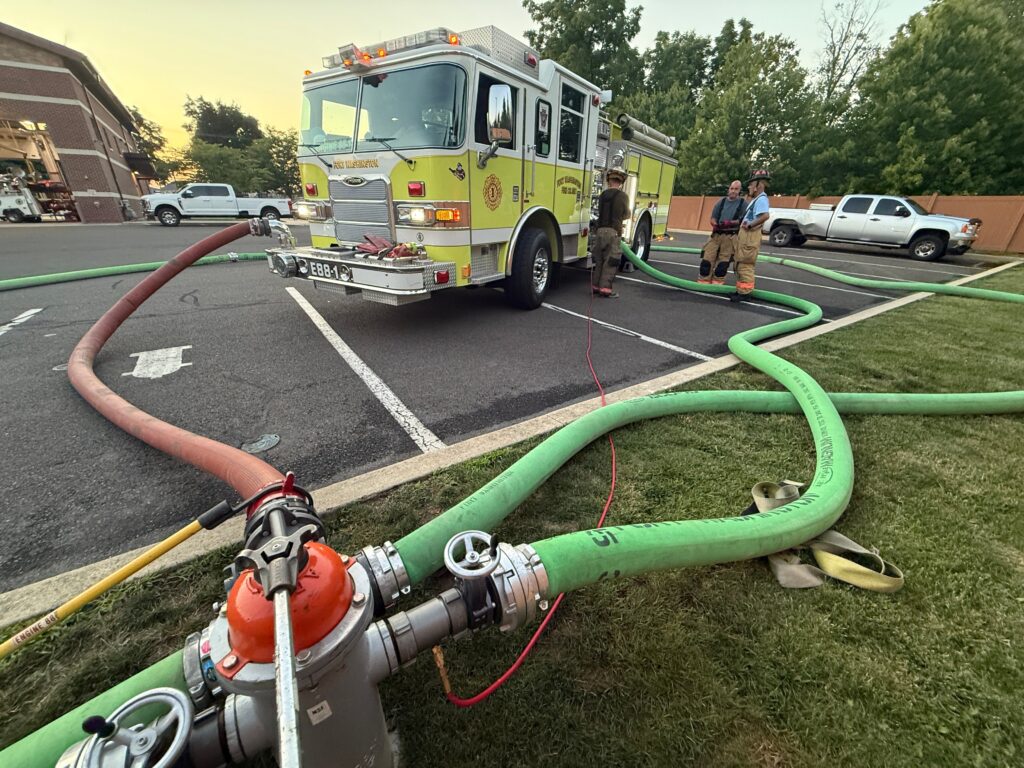
Every Humat valve is made from aluminum alloy for a reason: it’s light enough for one firefighter to carry and mount without help, but it needs extra reinforcement to survive years of fireground and industrial use. That’s why every valve is heat treated for added strength and hard coated on top of that, both to prevent corrosion and to increase surface strength against the dents, drags, and impacts that come with being dropped, dragged, and stepped on at every incident it’s used at.
Questions about Humat
How long has Humat been in business?
Humat, Inc. was founded in 1975 and has focused on fireground water-handling equipment ever since.
Where is Humat based?
Humat is based in Austin, Arkansas.
Is Humat still the same company that started in 1975?
Yes. Ownership has changed hands since Humat was founded, but the company continues to manufacture and support the same valve platform its founders introduced in 1975, under the same mission of dependable, serviceable equipment.
What makes Humat's design different from newer competitors?
Humat’s philosophy is that a proven, simple design outperforms added complexity. Rather than releasing a redesigned valve on a schedule, Humat has kept the same core design and made the coupling and mounting options around it modular.
Does Humat offer more than one valve?
Yes. In addition to the original Humat 4-Way Valve, Humat manufactures the compact Simpla Valve. See the Products page for details on both.
Does Humat support fire training schools, not just departments?
Yes. Humat valves are used by fire training schools as well as operating departments, since the same design that works on the fireground also works well for hands-on instruction.
Is the Humat valve used outside the United States?
Yes. Humat valves are used by fire departments and training schools both across the United States and internationally.
Who should I contact with a technical question about the valve?
Reach out through our Contact page — Humat is small enough that technical questions reach people who can actually answer them.
See why departments have stuck with Humat since 1975.
Explore the Humat 4-Way Valve and the compact Simpla Valve to see which configuration fits your operation, whether that’s a municipal engine, a refinery hydrant network, or an airport apparatus. We’re glad to walk through the differences with you directly if you’re not sure which one to choose.